
Previous Events
October 2026
Can We Develop a Multidimensional Science of Meditation?


Abstract: Over the past century, we have witnessed the rise of therapeutic meditation practices such as Mindfulness-Based Stress Reduction and Transcendental Meditation, developed to alleviate the pressures of modern life and enhance wellbeing. However, the scientific focus on wellbeing and self-enhancement has constrained our understanding of the remarkable diversity of meditation practices, their varied aims, and their potential risks.
In this talk I explore how to develop a multidimensional science of meditation that encompasses the diversity of practices and goals, as well as the systematic mapping of nonordinary states of consciousness, including both beneficial and adverse effects. I conclude by reflecting on the underlying beliefs about the power of meditation and argue for the importance of expanding research beyond a narrow focus on wellbeing and self-enhancement.
Miguel Farias, PhD,is the lead editor of The Oxford Handbook of Meditation (2021/2025) and the co-author of The Buddha Pill: Can Meditation Change You? (2015/2019). He directs the Brain, Belief, and Behaviour Lab at Coventry University and lectures on the science and history of meditation at the University of Oxford. He has written on meditation for the BBC, New Scientist, and The Spectator. Learn more about Dr. Farias and his work at miguelfarias.co.uk.
Disclosure: Dr. Farias has no conflicts of interest.
This lecture has been approved for 1 APA CE credit
Learning Objectives:
Participants will be able to articulate the different aims of religious-based versus secular therapeutic techniques.
Participants will be able to describe the key beliefs people today hold about the power of mindfulness practices.
Participants will be able to understand how a multidimensional science of meditation can broaden our perspective on meditation and the study of consciousness.
Cheetah House is approved by the American Psychological Association to sponsor continuing education for psychologists. Cheetah House maintains responsibility for this program and its content.
Questions: email cheetahhouse.org@gmail.com to learn more.
Find past lectures and their recordings here
September 2026
Letters to my Former Self - Sofia May

Sofia May is a former assistant to Lama Tsultrim Allione and the whistleblower of Allione’s high control Buddhist Center, Tara Mandala. Sofia is one of the key witnesses in Be Scofield’s exposé about Allione’s coercive control, the only survivor to come forward with their real name thus far and is the whistleblower for this cult. She has shared her story on prestigious platforms, such as: A Little Bit Culty, Cults to Consciousness, LA radio program “Mystic Pete Chronicles KLXU,” and is scheduled to share her story on more platforms and publications in the future. Sofia is also an award-winning New York city raised stand-up comedian, based in Berlin, Germany. On the tails of her rave-reviewed, award-winning, sell-out debut solo “9/11 Birds and the Bees” at the Edinburgh Fringe in 2025, Sofia returned to the 2026 Fringe with a vengeance in a brutally incisive stand-up hour about her time assisting Allione at Tara Mandala called, “The Buddha Wears Prada.”
In her time working as Allione's assistant she experienced harrowing psychological and emotional abuse, in addition to exploitation of her work, and physically deteriorating conditions (including food deprivation and being forbidden from taking days off). Lama Tsultrim Allione is the founder and lead teacher/spiritual advisor of Tara Mandala Buddhist retreat center, which practices traditional Tibetan Buddhism. In this talk Sofia will speak of her harrowing experiences as Allione's assistant and how the tenants of Tibetan Buddhism thoroughly enabled Allione's abuse.
You can find Sofia’s whistleblowing material, touring schedule, and tickets to the Fringe at https://sofiamaycomedy.com/ and follow her comedic journey and whistleblowing rampage on instagram @sofiamaycomedy.
September 2026
Potential Risks of Involvement with Buddhist Sects

Abstract: Meditation is widely recommended for wellbeing and Buddhist ideas are woven into psychological therapies such as Dialectical Behaviour Therapy and Compassion Focused Therapy. However the potential risks and contraindications of different forms of meditation and contemplation are rarely acknowledged in spiritual and wellbeing settings. Adverse effects of the practices may go unnoticed or may even be spiritualised as signs of progress along a spiritual path. There are a growing number of testimonies of psychological pressure and psychological abuse via the groups teachings. Most of these testimonies have not yet reached the attention of the general public or are dismissed. Karma and equanimity teachings have at times been used to victim-blame and invalidate the impact of abusive experiences within these groups. Suffering, rather than being seen through a trauma informed lens, is often viewed as incorrect view, a deluded mind, attachment to self or self-cherishing. This presents a variety of challenges in help seeking and whistleblowing.
Dr. Michelle Haslam DClinPsych, PhD, BSc is a senior clinical psychologist working in private healthcare in the UK. She qualified in 2014 and has worked in a variety of adult mental health settings, mostly within the National Health Service and more recently in private healthcare. Michelle was previously involved with two Buddhist sects, The New Kadampa Tradition and Triratna, in the UK and is a survivor of spiritual abuse within these contexts. She now raises awareness of the potential risks of adverse effects, psychological and spiritual abuse in meditation and Buddhist settings.
Disclosure: Dr. Haslam does not have any affiliation with any spiritual, religious or meditation focused organisations, and is a whistleblower from her previous involvement with Buddhist groups in the UK.
This lecture has been approved for 1 APA CE credit
Learning Objectives:
Recognise potential risks and warning signs associated with harmful or coercive dynamics in Buddhist groups
Identify a few potential adverse effects of meditation and contemplative practices when practiced within a spiritual community
Understand how religious fervor, authority, group culture and spiritual beliefs can contribute to vulnerability, dependency and abuse
Understand how Buddhist concepts, including karma and aversion, may be interpreted in ways that contribute to victim-blaming, self-blame or minimisation of harm
Cheetah House is approved by the American Psychological Association to sponsor continuing education for psychologists. Cheetah House maintains responsibility for this program and its content.
Questions: email cheetahhouse.org@gmail.com to learn more.
August 2026
The Teacher Matters: The Role of Meditation Teachers in Meditation-Related Challenges

Abstract: Although meditation is often treated as an individual practice, meditation teachers can play an important role. Drawing on the mixed-methods dataset of the Varieties of Contemplative Experience project, this paper examines the role of meditation teachers and their impacts on Western practitioners who are navigating meditation-related challenges. Quantitative and qualitative results from 68 meditation practitioners and 33 experts (teachers and clinicians) from a range of Buddhist lineages indicate that the impact of teachers on practitioners navigating challenges ranged from highly beneficial to highly detrimental. Key characteristics in beneficial student-teacher relationships included having access to and receiving appropriate guidance from a well-qualified teacher, as well as having a teacher whose approach to working with challenges was informed by training in psychology or mental health. Other factors described as unhelpful or leading to additional distress included a lack of availability or teacher access; limited student tracking or disclosure; invalidating, unsupportive, victim-blaming, or scripted teacher responses; a lack of perceived teacher expertise; or mismatched interpersonal or cultural dynamics. These findings also illustrate various ways in which the psychologization of Buddhist meditation in the West influences student-teacher relationships and establishes certain expectations that are made particularly apparent in the context of meditation-related challenges.
Cost is $40, sliding scale available.
This lecture has been approved for 1 APA CE credit
Learning Objectives:
Participants will be able to describe ways that teachers are helpful to meditators experiencing challenges.
Participants will be able to describe ways that teachers are unhelpful or harmful to meditators experiencing challenges.
Participants will be able to list several characteristics of Buddhist modernism and how they might contribute to problems in the teacher-student relationship.
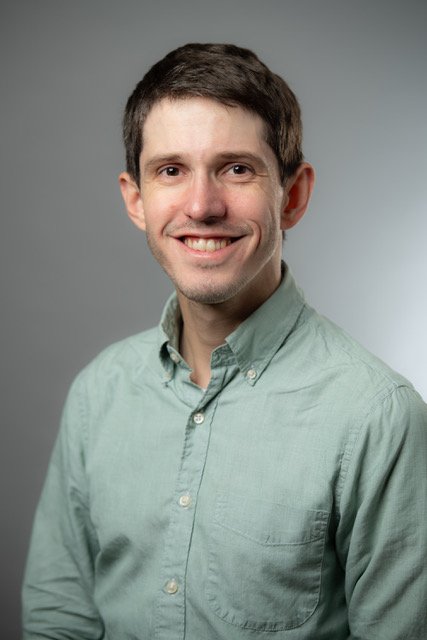
Nicholas Canby, Ph.D. is a visiting assistant professor of Contemplative Studies at Brown University and a licensed clinical psychologist. He earned his Ph.D. in clinical psychology from Clark University in 2022 and completed a two-year post-doctoral fellowship at the Warren Alpert Medical School at Brown University under the mentorship of Willoughby Britton, Ph.D. and Jared Lindahl, Ph.D. Nicholas also completed his predoctoral and postdoctoral clinical training at Veteran’s hospitals in Tucson, AZ and Providence, RI, focusing on the treatment of PTSD and a wide range of evidence-based therapies.
As part of the Clinical and Affective Neuroscience Lab at Brown University, Nicholas has conducted research on mechanisms and moderators of mindfulness-based interventions, influencing factors for the occurrence of meditation-related challenges, and the phenomenology of non-ordinary states of mind in meditation and psychedelics. His dissertation investigated changes in senses of self, specifically dissolution of self-world and self-other boundaries from multiple causes, including meditation, religious practice, psychedelics, trauma, and then assessed what factors predict life enhancing vs destabilizing trajectories. He was lead author on a study that found that social factors, specifically group cohesion and relationship with the teacher, were better predictors of therapeutic success than type or amount of meditation practice. He has also authored papers on the impact of childhood trauma, meditation teacher relationships, and dietary changes on meditation-related challenges and adverse effects.
Dr. Willoughby Britton earned a Ph.D. in clinical psychology from the University of Arizona. She completed her clinical residency in behavioral medicine and neuropsychology, along with a 2 year NIH-sponsored post-doctoral fellowship in adult mood disorders treatment research at Brown University Medical School. She has received multiple grants from the National Institutes of Health to study the effects of meditation.
Her clinical neuroscience research investigates the effects of contemplative practices on the brain and body in the treatment of mood disorders, trauma, and other emotional disturbances. She is especially interested in practice-specific effects and moderators of treatment outcome, or, in other words— “Which practices are best or worst suited for which types of people or conditions and why.” She recently completed “The Varieties of Contemplative Experience” study which investigates the full range of experiences that can arise in the context of contemplative practices, including experiences that could be considered difficult, challenging, or adverse.
As a clinician, she has been trained as an instructor in Mindfulness-Based Stress Reduction (MBSR) and Mindfulness-based Cognitive Therapy (MBCT), and has taught mindfulness to both clinical and non-clinical populations. She has also completed three years of training for treating trauma and destabilized nervous systems. She now specializes in helping meditators who are experiencing meditation-related difficulties and providing meditation safety trainings to providers and organizations.
Cheetah House is approved by the American Psychological Association to sponsor continuing education for psychologists. Cheetah House maintains responsibility for this program and its content.
Questions: email cheetahhouse.org@gmail.com to learn more.
July 2026
Letters to My Former Self: Sue

Sue resides on the beautiful Gulf Coast of Florida with her husband of 30 years. She is a painter, sculptor, interior designer, house-flipper, amateur yogi and writer. Throughout her life she has also been a spiritual seeker, mostly through her involvement in 12th step recovery fellowships. When her meditation crisis blew up her sense of herself and of her world view, she relied on her faith in the ineffable Divine to help her navigate a path toward healing and, ultimately, to finding Cheetah House. Throughout this journey, Sue has uncovered and discovered, with delight, resources within herself she didn’t know she could possess. She has tapped into a new faith unencumbered by the negative religious conditioning she was exposed to as a child; opened up a new vein of expressive creativity and found solace and validation in her exploration of mysticism and consciousness science. She remains an active participant in the Cheetah House support groups as she continues to integrate this whole strange story into the rest of her day-to-day life.
June 2026
Letters to My Former Self: Mikael Birger

Mikael is an artist, coach and business owner. After a series of adverse effects from both psychedelics and meditation, spanning several years, he shifted his approach to mental and physical health. He now seeks to express this through writing, art, and community spaces that bring the simplicity and inherent depth of mundane life back to the forefront.
June 2026
Buddhist Modernism & Meditation
Abstract: Meditation is often presented in the West as a universal, scientific, and inherently beneficial practice capable of catalyzing therapeutic healing and profound psychological transformation. But where did these ideas come from and why are they so compelling to so many of us? This talk explores the unique cultural movement known as “Buddhist modernism” and how it has indelibly shaped our default conceptions of this Asian religion and its rituals. We will examine how meditation came to be understood as a secular, therapeutic, and personal spiritual practice that is the essence of Buddhism, and how this diverse historical tradition became cast not as a religion at all but rather an exceptional science of mind. Finally, we will explore how Buddhist modernist discourse and praxis can lead to a range of meditation-related challenges, and how even a basic appreciation of this cultural movement can help us make sense of important parts of many of our meditation journeys—indeed the very water we have been swimming in without recognizing or even consenting to its assumptions, values, and norms.
Dr. Fisher recently received his Ph.D. in Religious Studies and Cognitive Science from the University of California, Santa Barbara. He graduated from Vanderbilt University in 2011 before joining the Clinical and Affective Neuroscience Laboratory at Brown University where he managed the 'Varieties of Contemplative Experience' (VCE) study from 2012-2015. Before starting graduate school, he was a visiting scholar at the Mind and Life Institute—where he organized a small conference on Abrahamic contemplative traditions—and lived in Jerusalem for 2 years to explore some of the living traditions of Jewish mysticism and meditation.
At Brown, Nathan began a replication study of the VCE project investigating meditation-related difficulties in Jewish, Christian, and Islamic contemplative traditions, and has continued this research project into his PhD program. The first paper based on the study, "Dark Nights of the Soul in Abrahamic Meditative Traditions," was published in 2019 and the second was published in 2022, “Flavors of Ecstasy: States of Absorption in Islamic and Jewish Contemplative Traditions.” Both papers focus on traditional appraisal processes related to challenging experiences, whereas in his dissertation he presents phenomenological data from the study and proposes a person-centered cultural psychological framework that can be used by clinicians and teachers to provide better care for those suffering from these experiences. His other research interests include: Jewish and Comparative Mysticism, Differential Diagnosis at the intersection of Spirituality and Clinical Practice, and the emerging interdisciplinary field of Contemplative Science.
Nathan’s own journey includes contemplative practice in Jewish, Theravada, Christian, and Chinese Internal Martial Arts communities—and experiencing tangible benefits and distressing challenges in all of them. After taking a sabbatical from contemplative practice and study, he is excited to be exploring safe and ‘sifted’ approaches to re-engaging with what he has found to be nourishing and resourcing within these traditions.
Disclosure: Dr. Fisher has no conflicts of interest.
This lecture has been approved for 1 APA CE credit
Learning Objectives:
Participants will be able to describe the core features of “Buddhist modernism” and explain how modern Western ideas about science, psychology, individualism, and spirituality reshaped contemporary understandings of Buddhism and meditation.
Participants will be able to identify and critically reflect on common contemporary assumptions about meditation—including ideas surrounding mindfulness, enlightenment, no-self, and the notion of Buddhism as a uniquely scientific or universally beneficial tradition.
Participants will be able to discuss how Buddhist modernist frameworks and expectations can influence the onset and interpretation of meditation-related challenges and distress, and how historical and cultural context may support more grounded and compassionate meaning-making around difficult contemplative experiences.
Cheetah House is approved by the American Psychological Association to sponsor continuing education for psychologists. Cheetah House maintains responsibility for this program and its content.
Questions: email cheetahhouse.org@gmail.com to learn more.
May 2026
Wind Disorders in Tibetan Medicine: Symptoms, Causes, & Remedies

Abstract: Meditation-related mental health challenges are well understood in Tibetan Buddhist traditions, where narratives about Buddhist monks and nuns who have become unwell, or even ‘mad’, as a result of their meditation practices are not uncommon. This talk focuses on the role of ‘wind’ in the (dys)functioning of the mind-body, and how this relates to Tibetan Buddhist concepts of mind-body and meditation practices. Key to both Tibetan medical and Buddhist traditions, wind is understood to flow through thousands of channels in the body, and is closely related to the mind and consciousness. While Tibetan medical texts describe how excessive mental activities (such as intensive study or ruminating on worries) can disrupt the flow of wind in the body, leading to symptoms from mild nausea or dizziness to high anxiety or even ‘madness’, Tibetan Buddhist tantric texts delineate similar ‘maps’ of the body, with overlapping but not identical descriptions of the channels through which wind flows. This talk explores how these overlapping notions of wind can explain some of the ways in which meditation can ‘go wrong’ for practitioners, as well as some of the ways that Tibetan medicine and Buddhism approach remedy.
Susannah Deane, PhD, is an interdisciplinary researcher working across Buddhist studies, medical anthropology, and cross-cultural approaches to mind and mental health. She received her PhD from Cardiff University in 2015 with research focused on the multifaceted understandings of mental health, illness, and healing evident among Tibetan exiles living in Darjeeling, northeast India. Her postdoctoral research, predominantly focused on Tibetan communities in Amdo, northeast Tibet, explores Tibetan understandings of ‘madness’ in both historical and contemporary perspective, and the ways these are informed by longstanding Tibetan medical and religious notions of mind-body. Her second monograph, ‘Illness and Enlightenment: Exploring Tibetan Perspectives on Madness in Text and Everyday Life’, was published by Berghahn Books in 2025.
Disclosure: Dr. Deane has no conflicts of interest.
This lecture has been approved for 1 APA CE credit
Learning Objectives:
Participants will gain a general understanding of the notion of ‘wind’ in the Tibetan medical tradition.
Participants will be able to identify some of the key symptoms and treatments of ‘wind illness’ from Tibetan medical perspective
Participants will understand how Tibetan medical notions of wind can be related to meditation practitioners’ experiences
Cheetah House is approved by the American Psychological Association to sponsor continuing education for psychologists. Cheetah House maintains responsibility for this program and its content.
Questions: email cheetahhouse.org@gmail.com to learn more.
May 2026
The Neuroscience of the Mind-Body Relationship in the Aftermath of Trauma: Implications for Treatment

Abstract: Trauma can significantly disrupt the connection between the mind, brain, and body, often leaving enduring effects on both the emotional/cognitive and somatic aspects of the self. Emerging findings in neuroscience are deepening our understanding of how somatic sensory processing—a core function that determines how the body experiences itself in space—plays a vital role in self-regulation and how we engage with the world around us.
In the wake of trauma, these systems are often severely compromised. Individuals may become disconnected from their bodies, feel a loss of agency, and struggle with a diminished sense of purpose. These disruptions can result in a fragmented sense of self and difficulty in daily functioning.
This workshop presents a comprehensive, neuroscience-informed approach to healing the traumatized self. Through integrative strategies, participants will learn how to rebuild the mind-body connection—whether that connection was disrupted or never fully developed. The goal is to support the restoration of an embodied, cohesive self that can feel fully alive after trauma.
Ruth A. Lanius, M.D., Ph.D. is a Psychiatry Professor and Harris-Woodman Chair at Western University of Canada, where she is the director of the Clinical Research Program for PTSD. Ruth has over 25 years of clinical and research experience with trauma-related disorders. She established the Traumatic Stress Service at London Health Sciences Centre, a program that specializes in the treatment of psychological trauma. Ruth has received numerous research and teaching awards, including the Banting Award for Military Health Research. She has published over 150 research articles and book chapters focusing on brain adaptations to psychological trauma and novel adjunct treatments for PTSD. Ruth regularly lectures on the topic of psychological trauma both nationally and internationally. Ruth has co-authored four books: The Effects of Early Life Trauma on Health and Disease: The Hidden Epidemic, Healing the Traumatized Self: Consciousness, Neuroscience, Treatment, and Finding Solid Ground. Ruth is a passionate clinician scientist who endeavours to understand the first-person experience of traumatized individuals throughout treatment and how it relates to brain functioning.
Disclosure: Dr. Lanius has no conflicts of interest.
This lecture has been approved for 1 APA CE credit
Learning Objectives:
Describe the impact of trauma on somatic sensory processing and its effects on self-regulation and embodiment.
Identify key signs of disconnection between the mind, brain, and body in individuals who have experienced trauma.
Apply integrative, neuroscience-informed strategies to help restore an embodied sense of self in trauma recovery work.
Cheetah House is approved by the American Psychological Association to sponsor continuing education for psychologists. Cheetah House maintains responsibility for this program and its content.
Questions: email cheetahhouse.org@gmail.com to learn more.
April 2026
Delusion-Like Ideation and Associated Impacts in Western Buddhist Meditators
Abstract: Meditation practices have become increasingly common in Western healthcare, wellness, and spiritual settings, yet their psychological risks remain underexplored. This presentation draws on a mixed-methods study of delusion-like ideation (DLI) among more than Western Buddhist meditation practitioners and experts from the Varieties of Contemplative Experience (VCE) project. We present a typology of eight types of meditation-related DLI, including grandiosity, paranoia, persecution, special knowledge, ideas of reference, experiences of death or dying, and misidentification, and examine their relative frequency, associated impacts, and treatment responses. Through four case studies, we explore how DLIs unfold across different trajectories: from transient experiences that resolve without intervention to acute episodes requiring hospitalization. We examine how practitioners, meditation teachers, and clinicians appraise these experiences across Buddhist and biomedical frameworks, and discuss how cultural context, retreat environment, and sensory attenuation may contribute to their onset. Participants will leave with a nuanced, person-centered framework for recognizing, assessing, and responding to meditation-related psychological challenges in clinical and educational practice.
Learning Objectives:
1. Participants will be able to identify and types of delusion-like ideation (DLI) that can arise in the context of Buddhist meditation practice, contextualising them within normative and special meditation experiences.
2. Participants will be able to apply a person-centered, multi-criteria framework for assessing whether a meditation-related psychological challenge warrants clinical intervention, taking into account cultural context, distress, functional impairment, and appraisal.
3. Participants will be able to discuss how social, cultural, and environmental factors, including retreat conditions, sensory attenuation, and Buddhist worldviews, shape the onset, content, and interpretation of meditation-related DLI.
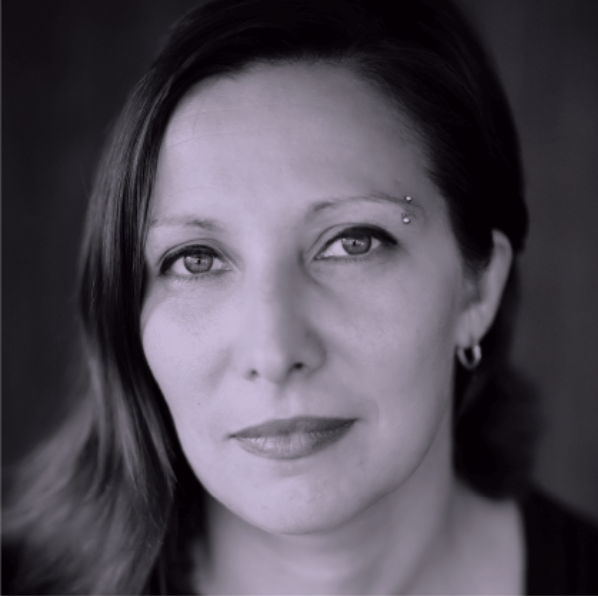
Elizaveta Solomonova, PhD,is a Research Associate in the Department of Philosophy at McGill University and an Affiliated Professor in the Department of Psychology at Concordia University in Montreal. She holds an interdisciplinary individualized PhD from the University of Montreal in Philosophy and Psychiatry, and she has completed postdoctoral training at the Lady Davis Insitute for Medical Research and at McGill University's Neurophilosophy Lab. Her interdisciplinary research program spans sleep and dream science, philosophy of mind, neurophenomenology, and transcultural psychiatry. She investigates experience at its edges: dreaming, psychosis, felt presence, cognitive biases in public health, theory of mind, contemplative practices, and perinatal psychology, drawing on qualitative, mixed-methods, and philosophical approaches. Her work has been funded by the Fonds de Recherche du Québec en Société et Culture (FRQSC), by the Social Sciences and Humanities Research Council of Canada (SSHRC) and the Natural Sciences and Engineering Research Council of Canada (NSERC).
Disclosure: Dr. Solomonova has no conflicts of interest.
This lecture has been approved for 1 APA CE credit
Cheetah House is approved by the American Psychological Association to sponsor continuing education for psychologists. Cheetah House maintains responsibility for this program and its content.
Questions: email cheetahhouse.org@gmail.com to learn more.
April 2026
Addressing Institutional Betrayal with Courage
Abstract: In this lecture Dr. Freyd will present theory and research on interpersonal betrayal trauma, institutional betrayal trauma, betrayal blindness, and related concepts. Betrayal trauma occurs when the people or institutions on which a person depends or trust significantly violate that person’ s trust or well-being. The concept of “institutional betrayal” refers to the wrongdoings perpetrated by an institution upon individuals dependent on that institution. Institutional betrayal can occur through acts of commission or omission. Research has revealed that institutional betrayal is frequently experienced and is associated with both betrayal blindness and numerous negative mental and physical health symptoms. Related research has probed one type of betrayal trauma associated with a defensive tactic known as DARVO (Deny, Attack, Reverse Victim and Offender). Emerging research points to the power of acts of institutional courage to address institutional betrayal.
Learning Objectives:
Participants will be able to define trauma and why it occurs.
Participants will be able to describe different forms of institutional betrayal.
Participants will be able to list various ways to improve personal and systemic institutional courage.
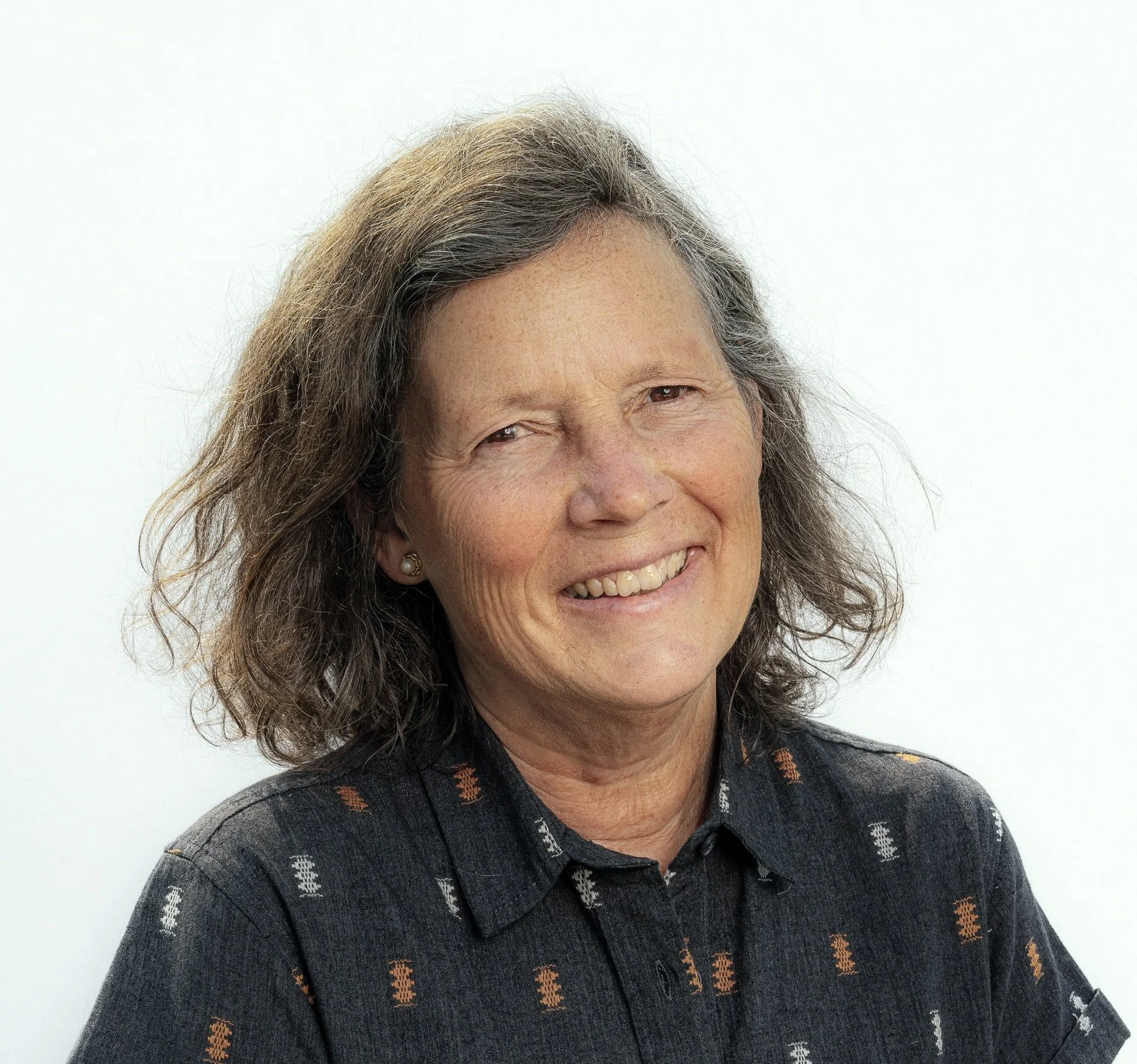
Jennifer Joy Freyd, PhD, is Professor Emerit of Psychology at the University of Oregon and Founder and President of the Center for Institutional Courage. Freyd is best known for her theories of representational momentum, betrayal trauma, institutional betrayal, institutional courage, and DARVO (Deny, Attack, Reverse Victim & Offender). The author or coauthor of over 200 scientific articles and commentaries, Freyd is also the author of the Harvard Press award-winning book Betrayal Trauma: The Logic of Forgetting Childhood Abuse. Her book Blind to Betrayal, co-authored with Pamela J. Birrell, was translated into seven additional languages. Freyd served as the Editor of The Journal of Trauma & Dissociation from 2006 through 2023. Freyd is a Fellow of the American Association for the Advancement of Science. She received the Lifetime Achievement Award from the International Society for the Study of Trauma & Dissociation and the Gold Medal Award for Impact in Psychology from the American Psychological Foundation. In May 2024 Freyd received an honorary doctorate from Claremont Graduate University.
Disclosure: Dr. Freyd has no conflicts of interest.
Learn more at:
This lecture has been approved for 1 APA CE credit
Cheetah House is approved by the American Psychological Association to sponsor continuing education for psychologists. Cheetah House maintains responsibility for this program and its content.
Questions: email cheetahhouse.org@gmail.com to learn more.
March 2026
Plasticities of the Self
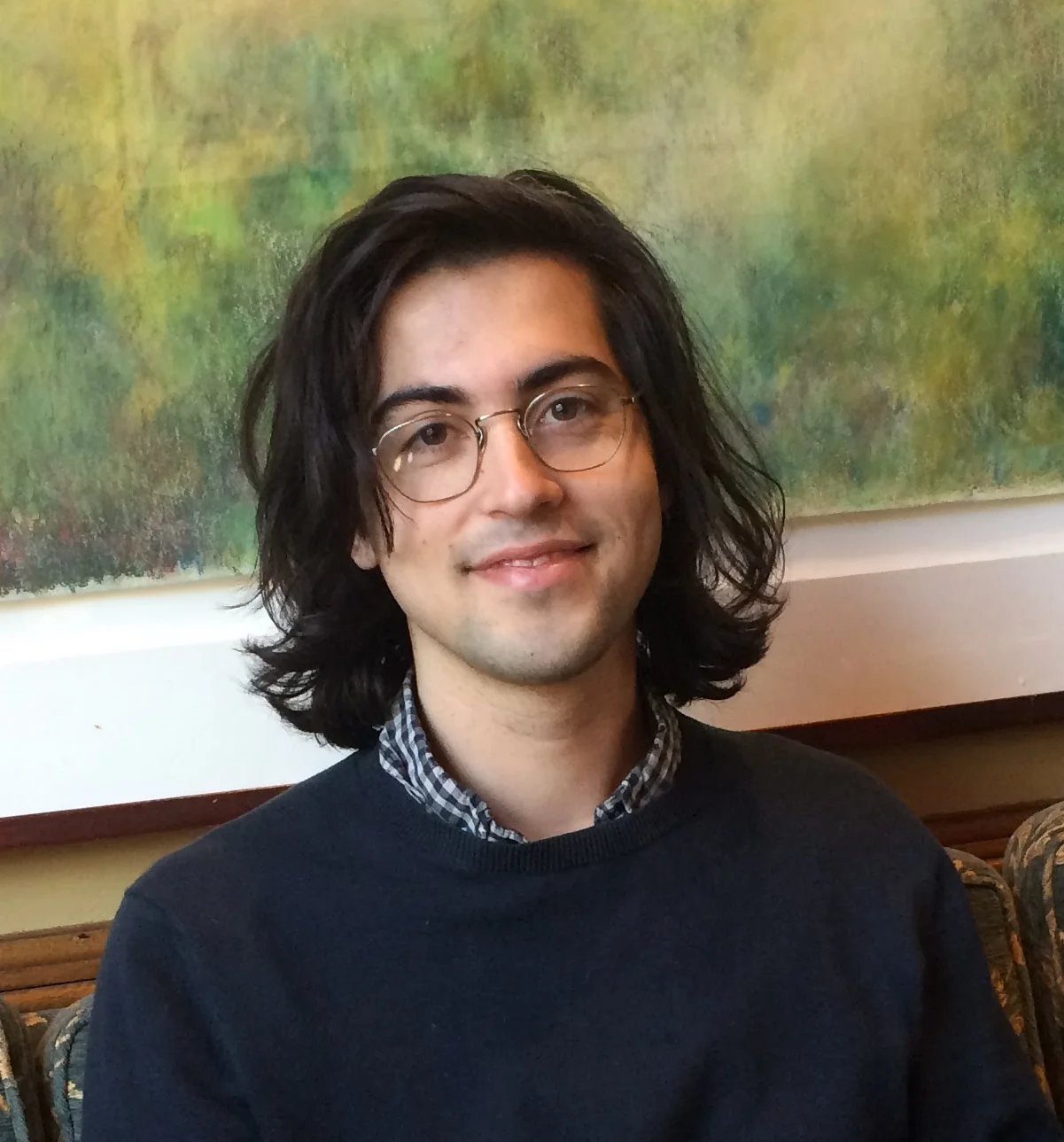
Abstract: This talk will discuss practices that aim to transform the self. Dr. Michael Lifshitz will explore the self as a patterned, multi-dimensional process and then discuss three ways in which contemplative practices—including various forms of meditation, prayer, and psychedelic ritual—aim to modulate this selfing process. First, we’ll examine "dissolutions" of the self, in which the sense of being a unified, bounded individual seems to break down. Second, we’ll discuss "possessions" of the self, in which non-self entities such as spirits and invisible beings seem to populate the private space of the body and mind. Finally, Dr. Lifshitz will introduce emerging research on "transmissions" of the self, in which states of consciousness appear to be passed from one bodymind to another. This survey will consider how and why practitioners may choose to cultivate these transformations of self-experience. It will also highlight what we are learning about the cognitive mechanisms, therapeutic possibilities, and potential risks of these practices. Throughout, expect an emphasis how social and cultural context shapes the way the self can be loosened, molded, and shared through contemplation.
Learning Objectives:
Describe the idea of the self as a patterned, multidimensional process.
Review recent scientific studies exploring how contemplative practices can modulate the self and its boundaries.
Consider the implications for therapeutic interventions based on contemplative practices.
Dr. Michael Lifshitz is an Assistant Professor working in the Division of Social and Transcultural Psychiatry at McGill and the Jewish General Hospital in Montreal. He did his doctorate in neuroscience at McGill and then a postdoc in anthropology at Stanford, where he worked with Tanya Luhrmann to study how culture shapes spiritual experience. He now co-directs the Psychedelics and Contemplation Lab, an interdisciplinary research space that combines phenomenology, neuroscience and ethnography to shed light on the plasticity of consciousness. His research focuses on practices that aim to transform subjective experience—from meditation and hypnosis to placebos, prayer, and psychedelics. He is particularly interested in how these practices can modulate feelings of agency, so that thoughts, actions and sensations can come to feel as if they are emerging from a source beyond the self.
Disclosure: Dr. Lifshitz has no conflicts of interest.
Learn more at:
This lecture has been approved for 1 APA CE credit
Cheetah House is approved by the American Psychological Association to sponsor continuing education for psychologists. Cheetah House maintains responsibility for this program and its content.
Questions: email cheetahhouse.org@gmail.com to learn more.
February 2026
Meet a Cheetah: Nathan Fisher

Q&A between Dr. Willoughby Britton and Nathan Fisher to learn more about Nathan’s personal journey through contemplative practices, adverse effects, and his experiences as a Cheetah House Care Team member.
Dr. Fisher recently received his Ph.D. in Religious Studies and Cognitive Science from the University of California, Santa Barbara. He graduated from Vanderbilt University in 2011 before joining the Clinical and Affective Neuroscience Laboratory at Brown University where he managed the 'Varieties of Contemplative Experience' (VCE) study from 2012-2015. Before starting graduate school, he was a visiting scholar at the Mind and Life Institute—where he organized a small conference on Abrahamic contemplative traditions—and lived in Jerusalem for 2 years to explore some of the living traditions of Jewish mysticism and meditation.
At Brown, Nathan began a replication study of the VCE project investigating meditation-related difficulties in Jewish, Christian, and Islamic contemplative traditions, and has continued this research project into his PhD program. The first paper based on the study, "Dark Nights of the Soul in Abrahamic Meditative Traditions," was published in 2019 and the second was published in 2022, “Flavors of Ecstasy: States of Absorption in Islamic and Jewish Contemplative Traditions.” Both papers focus on traditional appraisal processes related to challenging experiences, whereas in his dissertation he presents phenomenological data from the study and proposes a person-centered cultural psychological framework that can be used by clinicians and teachers to provide better care for those suffering from these experiences. His other research interests include: Jewish and Comparative Mysticism, Differential Diagnosis at the intersection of Spirituality and Clinical Practice, and the emerging interdisciplinary field of Contemplative Science.
Nathan’s own journey includes contemplative practice in Jewish, Theravada, Christian, and Chinese Internal Martial Arts communities—and experiencing tangible benefits and distressing challenges in all of them. After taking a sabbatical from contemplative practice and study, he is excited to be exploring safe and ‘sifted’ approaches to re-engaging with what he has found to be nourishing and resourcing within these traditions.
February 2026
Coercion and Control: Who Is Responsible and Why?

Abstract: The concept of bounded choice, developed by Dr. Janja Lalich, answers this question: why do members of cults and other high-control groups behave and act in ways that seem incomprehensible to outsiders? The bounded choice framework identifies the key components of coercive groups (or relationships) that create a self-sealing (or closed) system in which members are controlled and influenced such that they undergo a change of self. Ultimately, most fully adopt a new binding worldview, typically based on an extreme ideology. The four features of the self-sealing system are charismatic authority, a transcendent belief system, systems of control, and systems of influence. They are intertwined, working together to coercively influence members to abide by total obedience and extreme loyalty. Given this, what is the extent of the irresponsibility? And how can we -- or should we -- hold them accountable?
Learning Objectives:
Identify and explain the four interlocking components of Dr. Lalich’s Bounded Choice framework (Authoritarian Leadership, Transcendent Belief System, Influence/Indoctrination, and Group Culture) and describe how they create a "self-sealing" social system that restricts individual autonomy.
Outline the chronological progression from initial Recruitment (Step 1) through Indoctrination, Change, and Reinforcement, culminating in the creation of a Deployable Agent (Step 5), noting the specific psychological "carrots and sticks" used to maintain compliance at each stage.
Recognize recognize cultic behaviors and "spidey sense" red flags (such as lack of transparency and restricted criticism) within non-traditional settings, including the wellness industry, workplace training programs, and internet-based communities, while identifying the unique vulnerabilities of children born into these high-control environments.
Dr. Janja Lalich is a globally recognized expert on cults, coercive control, and high-demand groups. A Professor Emerita of Sociology at California State University, Chico, she has spent over 35 years researching the social psychology of exploitative relationships, recruitment tactics, and systems of influence and indoctrination.
Dr. Lalich is the author or coauthor of six books, including the widely respected Take Back Your Life: Recovering from Cults and Abusive Relationships and Escaping Utopia: Growing Up in a Cult, Getting Out, and Starting Over. Her work has helped thousands of survivors, families, and professionals better understand the dynamics of cultic systems and emotional manipulation.
She founded the nonprofit Lalich Center on Cults and Coercion (www.lalichcenter.org), which provides a variety of resources for survivors of cults and other high-control situations and environments, as well as curated information for professionals and a self-study continuing-education course for mental-health clinicians, psychologists, social workers, and other licensed therapists.
Her most recent work includes a newly updated third edition of Take Back Your Life (2023), continuing her mission to support survivors and raise awareness about coercive environments.
Disclosure: Dr. Lalich has no conflicts of interest.
Learn more at:
This lecture has been approved for 1 APA CE credit
Cheetah House is approved by the American Psychological Association to sponsor continuing education for psychologists. Cheetah House maintains responsibility for this program and its content.
Questions: email cheetahhouse.org@gmail.com to learn more.