Cheetah House First Do No Harm Meditation Safety Training
A comprehensive, evidence-based training by the world’s top experts
TRAINING FACULTY
Training faculty consist of top experts on meditation-related challenges, including clinicians, researchers, religious studies scholars, yoga and meditation teachers, Cheetah House Care Team members and others with lived experience
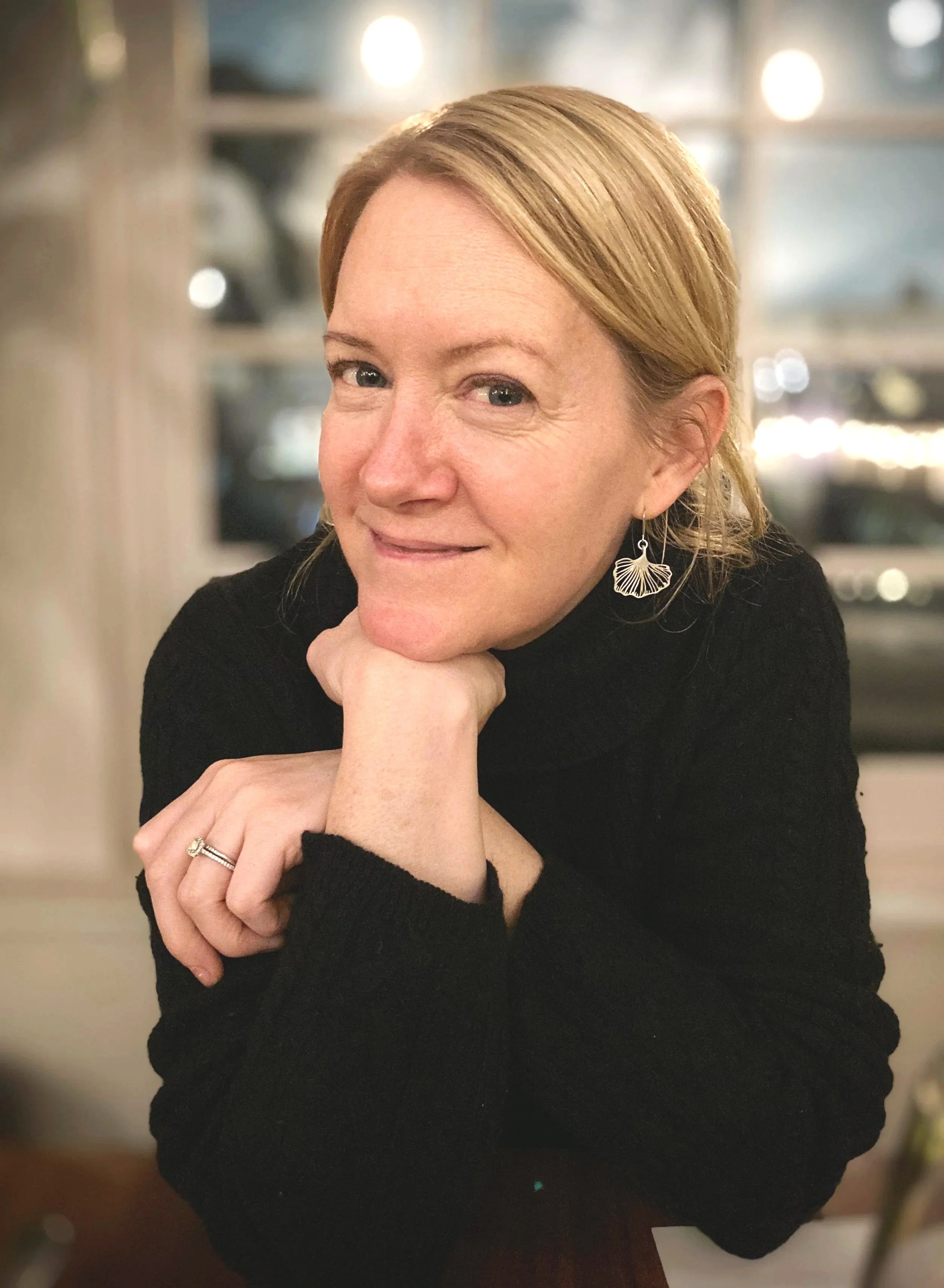
Willoughby Britton, PhD
Dr. Britton is a clinical psychologist, neuroscientist and researcher. She served as the Director of Brown University’s Clinical and Affective Neuroscience Laboratory for 20 years where she researched the neurobiology of meditation and contemplative practices. She is the creator of the Varieties of Contemplative Experience (VCE) project, the most comprehensive study about meditation-related challenges to date. She is the founder of Cheetah House, a non-profit that provides evidence-based information and support to meditators-in-distress, and provides trainings on meditation safety. She has worked with over 1000 meditators-in-distress, and led trainings all over the world. Dr. Britton is considered one of the world’s top experts on meditation risks and safety.
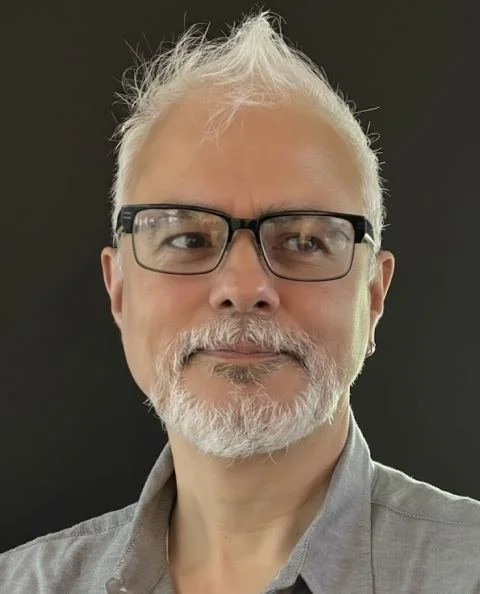
Pierce Salguero, PhD
Pierce Salguero is a transdisciplinary scholar of health humanities who is fascinated by historical and contemporary intersections between Buddhism, medicine, and crosscultural exchange. He holds a Ph.D. in History of Medicine from the Johns Hopkins School of Medicine (2010), and teaches courses in Asian religions, history, and health humanities at Penn State University’s Abington College Dr. Salguero has also been the editor in chief of the journal Asian Medicine: Journal of the International Association for the Study of Traditional Asian Medicine since 2016. He is the editor and contributor of the new book “Meditation Sickness: A Sourcebook on the Dangers of Buddhist Practice”.
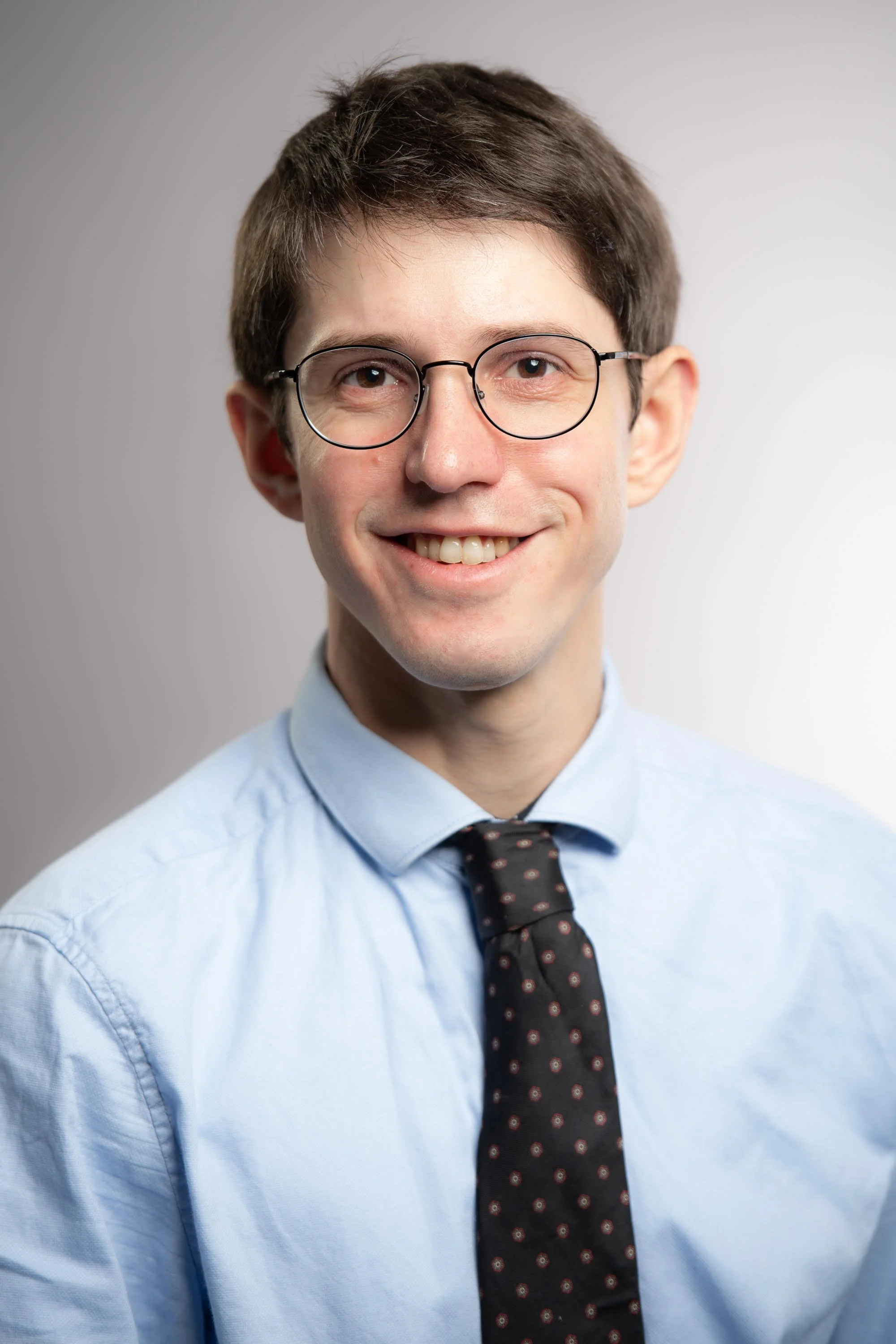
Nicholas Canby, PhD
Dr. Canby earned his Ph.D. in clinical psychology from Clark University and is a visiting assistant professor of Contemplative Studies at Brown University. Dr. Canby has conducted research on mechanisms and moderators of mindfulness-based interventions, influencing factors for the occurrence of meditation-related challenges, and the phenomenology of non-ordinary states of mind in meditation and psychedelics. His research investigates changes in senses of self, specifically dissolution of self-world and self-other boundaries and assessed what factors predict life enhancing vs destabilizing trajectories. He has authored several papers on how social factors (teacher, community) and history of childhood trauma impact meditator trajectories.
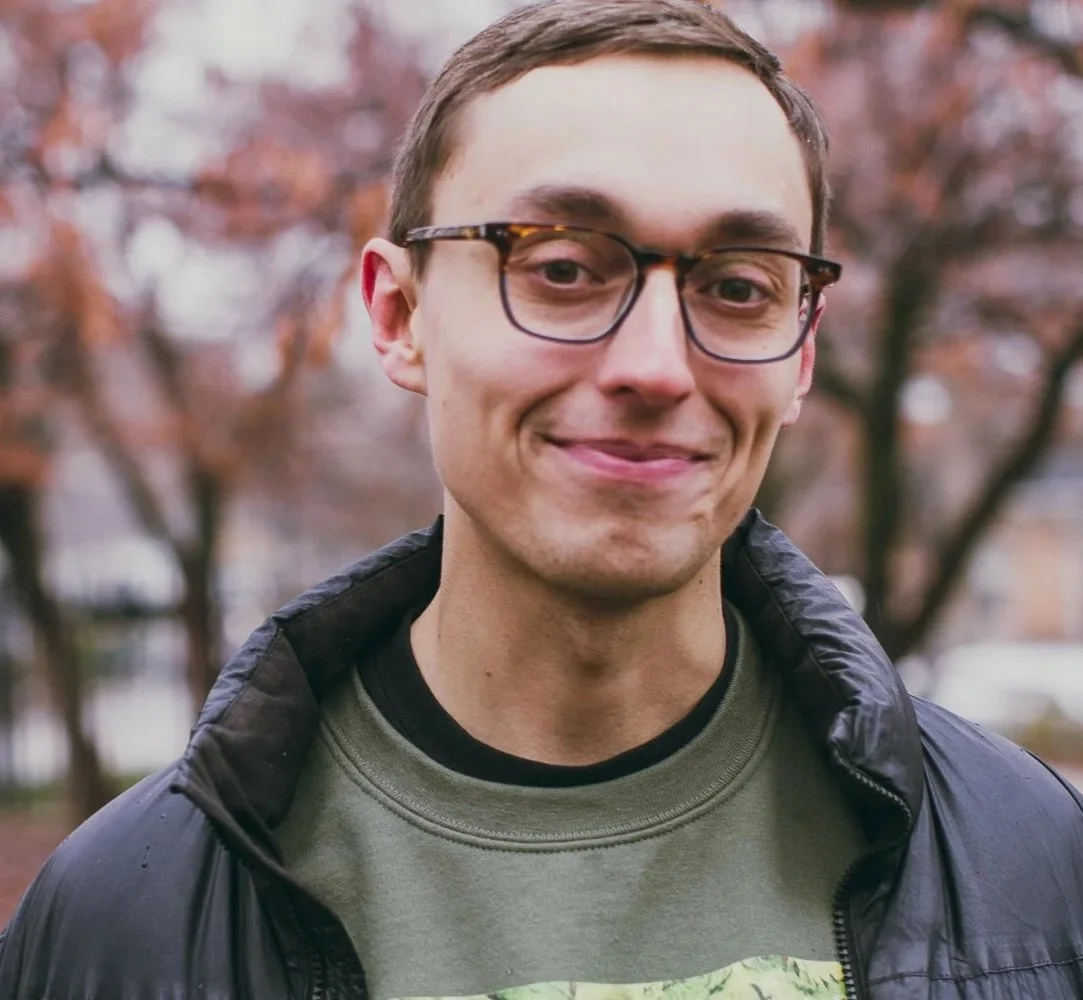
Nathan Fisher, PhD
Dr. Fisher received his Ph.D. in Religious Studies and Cognitive Science from UC Santa Barbara. As a co-author on the 'Varieties of Contemplative Experience' (VCE) study Nathan researches meditation-related difficulties in Jewish, Christian, and Islamic contemplative traditions. Publications include "Dark Nights of the Soul in Abrahamic Meditative Traditions," and “Flavors of Ecstasy: States of Absorption in Islamic and Jewish Contemplative Traditions and Differential Diagnosis at the intersection of Spirituality and Clinical Practice, Nathan has been a member of the Cheetah House Care Team since 2022.
Scott Lippitt
Scott has over 10 years of vipassana meditation experience and familiarity with most western buddhist philosophies and practices. Scott came to Cheetah House as a meditator-in-distress and benefited from the resources and direct support. He was trained as a peer supporter for Cheetah House, and is eager to help meditators-in-distress know they are not alone. Scott found the scaffolding modality particularly helpful, and now is one of the main scaffolding trainers.
Roman Palitsky, PhD
Roman Palitsky, MDiv, Ph.D. is Assistant Professor of Psychiatry and Behavioral Sciences and Director of Research Projects in Spiritual Health at Emory University, and he is faculty in theEmory Center for Psychedelics and Spirituality. His research applies a bio-psycho-social-spiritual approach to improving behavioral interventions by ensuring that the treatments we offer are responsive to care seekers’ cultural needs and strengths. His work in psychedelic treatment research reflects these commitments by seeking to make psychedelic therapies rigorous, effective, and accountable to the many patient populations who might benefit from them, and tosupport those care seekers who may experience adverse effects.The list of training faculty is in process, more to come…
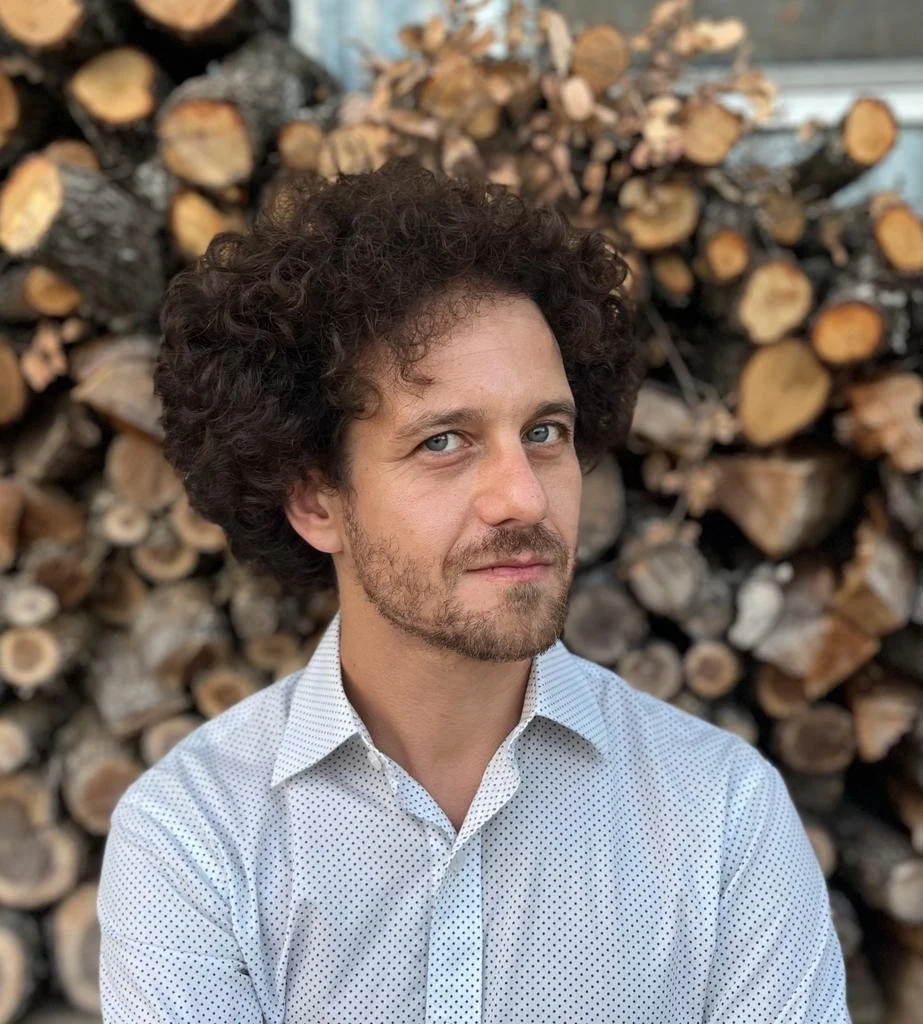
Mandy Johnson
Mandy was a Director for the Institute for Mindfulness South Africa and a Supervisor on the Stellenbosch University post graduate program, where she offered courses and supervision for mindfulness teachers. During a 30-day silent retreat , Mandy faced a crisis of confidence with mindfulness, suffering a reactivation of old trauma, which resulted in an intense two-year period of re-building herself. Through the support offered by Cheetah House she was able to make meaning of the crisis and is now very determined to make sure that trauma-informed ways of teaching are at the forefront of all mindfulness programs. Mandy is now a senior Care Team member at Cheetah House, and has worked with over 300 meditators-in-distress. She is also a member of the Cheetah House Board of Directors.
